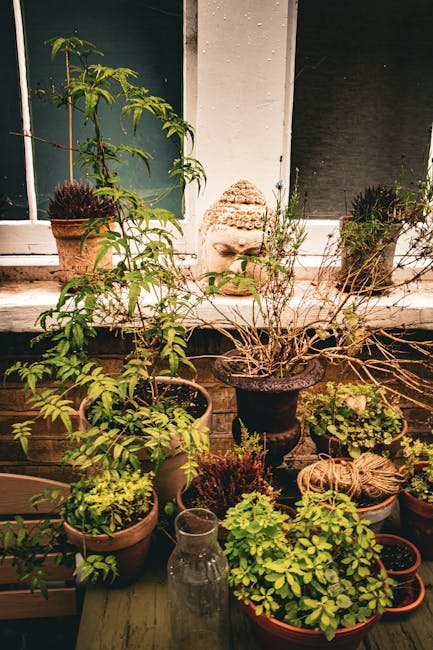
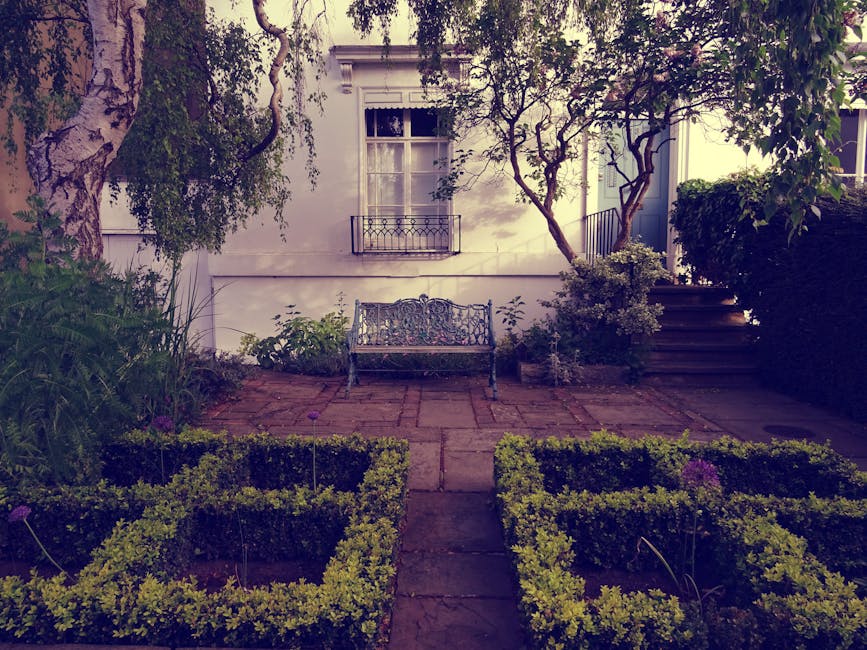
Green Lanes terrace garden makeover by Palmers Green gardeners
If you live on or near Green Lanes, you probably know the problem already: a terrace garden can be charming, but it can also feel cramped, shaded, overlooked, and a bit neglected after a few seasons of London weather. A Green Lanes terrace garden makeover by Palmers Green gardeners is about turning that tight, awkward outdoor space into something calm, usable, and properly welcoming. Not a show garden that looks good for one weekend. Something you can actually live with.
Whether you want a low-maintenance courtyard, a neat family space, or a pocket of greenery that gives you a breather after a busy day, the right approach makes a huge difference. In this guide, we'll look at what a terrace garden makeover involves, how the process works, what to watch out for, and how to make better choices from the start. You'll also find a practical checklist, a comparison table, and a few honest pointers that tend to get missed. Let's get into it.
Table of Contents
- Why Green Lanes terrace garden makeover by Palmers Green gardeners Matters
- How Green Lanes terrace garden makeover by Palmers Green gardeners Works
- Key Benefits and Practical Advantages
- Who This Is For and When It Makes Sense
- Step-by-Step Guidance
- Expert Tips for Better Results
- Common Mistakes to Avoid
- Tools, Resources and Recommendations
- Law, Compliance, Standards, or Best Practice
- Options, Methods, or Comparison Table
- Case Study or Real-World Example
- Practical Checklist
- Conclusion
- Frequently Asked Questions
Why Green Lanes terrace garden makeover by Palmers Green gardeners Matters
Terrace gardens in this part of North London often have to do a lot with very little. Narrow footprints, brick boundaries, patchy sunlight, and a general lack of storage can make the space feel more like a pass-through than a place to enjoy. That's exactly why a thoughtful makeover matters. It's not just about making things prettier, though that helps. It's about making the space work.
Green Lanes properties, especially terraces and period homes, often have gardens that are long, compact, or tucked away behind the house. In real life, that means you may need better zoning, better drainage, smarter planting, and a layout that can handle everyday use without becoming a maintenance headache. A well-planned makeover can turn an underused patch into somewhere you want to sit with a morning coffee, dry laundry discreetly, or put a few friends round on a mild evening.
There's another reason it matters: small gardens show every decision. A bad paving choice, too many pots, or the wrong fence line can make the area feel even tighter. A better plan does the opposite. It opens the space up. It gives the eye a path to follow. It makes the garden feel larger than it is. Simple, but very effective.
Expert takeaway: In a terrace garden, the biggest win usually comes from getting the layout right before adding features. If the bones are poor, the planting never quite saves it. If the bones are solid, even a modest makeover can look polished.
If you're exploring a broader refresh, it can also help to look at the wider range of garden services available so you can match the makeover to the level of work your space really needs.
How Green Lanes terrace garden makeover by Palmers Green gardeners Works
A good terrace garden makeover usually starts with a proper look at the space, not a rushed shopping list. The goal is to understand how the garden behaves through the day, where people naturally move, where water sits after rain, and what feels cramped or overlooked. That sounds obvious, but honestly, it is where many projects go off track. People jump straight to "What plants do I like?" before asking "Where will they actually thrive?"
The process normally follows a few stages:
- Assessment: Measuring the space, checking access, noting light levels, drainage, and existing problem areas.
- Briefing: Deciding what the garden needs to do, such as entertaining, relaxing, play space, screening, or low maintenance.
- Design choices: Selecting paving, edging, planters, planting schemes, storage, and focal points.
- Preparation: Clearing old materials, improving soil where possible, correcting levels, and sorting drainage issues.
- Installation and planting: Laying surfaces, fitting structures, planting the scheme, and finishing the details.
- Aftercare: Setting a sensible maintenance plan so the garden does not unravel in the first six weeks. Because, let's face it, some gardens look great until nobody waters them properly.
In a terrace setting, a makeover also needs to respect how people actually use the home. If the kitchen opens onto the garden, for example, the near side of the layout may need to be more practical and durable. If the garden is overlooked, privacy planting or screening becomes a bigger priority. If you have poor drainage, then materials and planting have to be chosen with that in mind rather than just on looks.
That blend of function and style is where experienced local gardeners tend to add the most value. They know the usual London frustrations: damp corners, compact access routes, clay-heavy soil in some areas, and the need to make a small space feel brighter without overfilling it.
Key Benefits and Practical Advantages
A terrace garden makeover is one of those jobs that pays back in several ways at once. You get a nicer garden, yes, but you also get a space that is easier to maintain and more pleasant to use day to day.
- Better use of space: A carefully zoned garden makes even a narrow plot feel less awkward.
- Improved privacy: Screening, climbing plants, and layered planting can soften nearby sightlines.
- Lower maintenance: The right planting and surface choices reduce ongoing effort.
- More year-round interest: Strong structure, evergreen layers, and seasonal planting keep the garden from looking bare in winter.
- Better drainage and cleanliness: A thoughtful surface layout helps avoid muddy patches and puddling.
- Higher everyday enjoyment: A terrace you can sit in, look at, and use properly just feels better. No mystery there.
There's also a subtle psychological benefit. A garden that looks ordered tends to feel calmer. You notice it on the way out to take the bins or when you open the back door and don't get hit by visual clutter. That matters more than people expect.
For many households, the best result is a space that looks tidy even when life is busy. Kids leave a few toys out, the washing basket comes through, there's a bit of leaf fall after a windy night. The garden still holds together. That resilience is what separates a cosmetic tidy-up from a real makeover.
Who This Is For and When It Makes Sense
This kind of makeover suits a wide range of homeowners and landlords, but it is especially useful if your garden currently feels underpowered for the amount of potential it has. If you keep thinking, "It could be lovely if someone just sorted it properly," you're probably in the right territory.
You may be a good fit if you:
- own a terrace house with a small or medium rear garden
- want to improve kerb appeal and back-garden usability at the same time
- have a tired, patchy, or overgrown space that never quite gets used
- need a low-maintenance design because time is tight
- have issues with privacy, shade, or awkward drainage
- are preparing a property for rental or resale and want a more presentable outdoor area
It also makes sense if your current garden has a few stubborn problems rather than total collapse. A sloping run, a mossy corner, a broken path, an unloved lawn section, or a row of mismatched pots can all be turned around without starting from scratch. Sometimes the job is more about editing than rebuilding.
Truth be told, people often wait too long. They live with a frustrating garden for years because it feels like a big project. Then they realise the space would have been enjoyable much sooner if the layout had been fixed earlier. That's a common one.
If you want to understand the team behind the work, it can be useful to read the about us page and see the kind of local gardening approach that sits behind the service.
Step-by-Step Guidance
Below is a practical, real-world sequence for approaching a terrace garden makeover in Green Lanes or the surrounding Palmers Green area. It is not the only way to do it, but it is a sensible one.
- Define what the garden must do. Be specific. Do you want dining space, a play area, more greenery, privacy, or a mix? If you try to make a tiny terrace do everything, it usually ends up doing nothing particularly well.
- Measure and map the space. Note doors, windows, steps, drains, sheds, bins, and fixed boundaries. One missing measurement can throw off the whole plan.
- Check light and shade through the day. A morning sun spot may be useless by 2pm. Likewise, a dark corner might be ideal for ferns or shade-tolerant planting.
- Decide on the main surfaces. Will it be paving, decking, gravel, or a blend? Keep the number of materials under control. Too many textures can make a small space feel busy.
- Sort practical issues first. Drainage, uneven levels, rotten timber, broken edging, poor access, or loose slabs need attention before the pretty part starts.
- Build the structure. This could include raised beds, seating, trellis, screens, or a simple pathway. Structure is what gives a small garden confidence.
- Choose plants that suit the site. Pick species for the light, soil, and maintenance level you can realistically manage. Not the fanciest plant in the shop window. The right one.
- Add the finishing layers. Lighting, pots, mulch, and a few well-placed focal points help everything feel complete.
- Plan maintenance from day one. Even a low-maintenance garden needs watering, deadheading, clipping, and an occasional reset.
A small practical note: if access to the garden is through the house, think about mess control. Bags of soil, paving dust, old roots, and plant debris can spread fast. A decent setup keeps the work tidy. Not glamorous, but very helpful.
Expert Tips for Better Results
Good terrace garden design is rarely about adding more. It is usually about choosing better and editing harder. That is the bit people resist at first, because everyone likes options. But a restrained plan almost always looks more expensive and more settled.
- Use repetition wisely. Repeat a material, plant shape, or colour in several places to create calm.
- Go vertical where the floor space is limited. Trellis, climbers, wall planters, and taller planting can add depth without eating the usable area.
- Mix evergreen structure with seasonal colour. This prevents the garden from looking empty in winter or overdone in summer.
- Think about sightlines from inside the house. The view from the kitchen or sitting room often matters more than the view from the back fence.
- Leave some breathing room. Negative space is not wasted space. In a terrace garden, it can be the thing that makes the rest of the design work.
One of the most useful little habits is to step back and look at the garden from the doorway before making your final decisions. If it reads clearly from there, you're usually in good shape. If it looks busy or confused, simplify. Then simplify again if needed. A tiny bit of restraint goes a long way.
For soil clearing, prunings, and old plant material, it is worth thinking about sustainability too. If you want a service approach that keeps waste handling in mind, see the company's recycling and sustainability information for a better sense of how garden waste is treated.
Common Mistakes to Avoid
Most disappointing terrace makeovers don't fail because of one huge error. They fail through a cluster of small ones. A planter too big here, an unsuitable plant there, a paving choice that looks lovely in theory but turns slippery in practice. You know the type.
- Overfilling the space: Too many containers, ornaments, or features can make a terrace feel tighter than it is.
- Ignoring drainage: If water has nowhere sensible to go, you will feel that problem every rainy week.
- Choosing plants for looks alone: A plant that hates shade will not suddenly love it because you bought it on impulse.
- Mixing too many materials: Three or four different paving and timber finishes can look messy fast.
- Forgetting maintenance access: If you can't comfortably reach a bed or clean a surface, it becomes a nuisance.
- Skipping the planning stage: A quick makeover can be tempting, but rushed decisions usually cost more later.
Another common issue is scale. People often choose objects that are too small for the space because they are afraid of crowding it. Oddly enough, that can create the opposite effect. A few well-sized features read better than lots of tiny ones scattered around like afterthoughts.
And to be fair, gardens can be emotionally sticky. If you inherited a terrace with a couple of rose bushes, a cracked path, and a mystery corner nobody likes to mention, it's easy to keep everything because it feels easier. But a clean break can be the kinder choice.
Tools, Resources and Recommendations
You do not need a warehouse full of kit to make a terrace garden work properly. What matters is using the right tools for preparation, installation, and maintenance. If a project is being handled by professional gardeners, much of this will be managed for you. Still, it helps to know what is typically involved.
| Task | Useful tools or materials | Why it matters |
|---|---|---|
| Clearing and tidying | Secateurs, loppers, rake, bags, wheelbarrow | Keeps the site manageable and reduces damage to surrounding areas |
| Ground preparation | Spade, fork, level, compacting tools, topsoil or compost | Creates a stable base for planting and hard landscaping |
| Planting | Trowel, planting compost, mulch, watering can or hose | Helps plants establish properly and stay healthy |
| Structure | Trellis, sleepers, edging, planters, fixings | Adds shape, height, privacy, and definition |
| Maintenance | Shears, pruners, broom, gloves, watering tools | Supports long-term neatness and plant health |
Useful recommendations usually come down to three things: keep materials suited to the site, choose plants you can actually maintain, and don't treat the whole garden as a single flat plane. Terrace gardens work better when they have layers.
If you are comparing services or trying to understand what is included, the pricing and quotes page is a helpful place to understand how estimates and scope are typically handled. It can save a lot of back-and-forth later on.
Law, Compliance, Standards, or Best Practice
Most terrace garden makeovers are straightforward domestic projects, but there are still sensible standards and best practices to keep in mind. No drama, just careful work.
For example, if any part of the project involves access routes, uneven surfaces, edge protection, or work near shared boundaries, safety should be planned properly. That includes keeping the work area tidy, managing tools responsibly, and protecting people from slips, trips, and sharp debris. If you are hiring anyone to do the work, it is reasonable to ask about insurance, site safety, and how waste is handled.
Good contractors also tend to have clear terms, payment expectations, and a way to deal with concerns if something is not right. That is not red tape for the sake of it; it's what helps a project stay calm. If you like to check these things in advance, the pages on insurance and safety, health and safety policy, and terms and conditions can help you understand the service framework.
Accessibility is another practical consideration. Even a small garden should be usable. That might mean leaving enough room to walk comfortably, avoiding awkward steps where possible, and making sure paths are stable and clear. If this matters to you, the accessibility statement is worth a look too.
And if you are the sort of person who likes to know how a company handles customer issues before you book, that is sensible, not fussy. A transparent complaints procedure usually tells you a lot about how seriously the business takes service quality.
Options, Methods, or Comparison Table
There is no single "right" way to makeover a terrace garden. The best method depends on budget, maintenance appetite, and how you want to use the space. Here's a simple comparison to help you think it through.
| Approach | Best for | Pros | Trade-offs |
|---|---|---|---|
| Light refresh | Garden is basically sound, but tired | Quick improvement, lower cost, minimal disruption | Won't fix deeper layout or drainage issues |
| Functional redesign | Space feels awkward or underused | Better layout, clearer zones, stronger long-term value | Needs more planning and usually a bigger budget |
| Low-maintenance makeover | Busy households, landlords, or older properties | Easy to keep tidy, fewer ongoing chores | May rely on harder landscaping and fewer planting choices |
| Plant-led transformation | You want a softer, greener look | Rich texture, seasonal change, and more character | Usually needs more care and regular upkeep |
In practice, many good terrace gardens use a mix of methods. A low-maintenance base with strong planting accents is often a sweet spot. It gives structure without turning the garden into a chore.
Case Study or Real-World Example
Here's a realistic example based on the kind of terrace garden many Palmers Green gardeners see: a narrow rear space behind a family home off Green Lanes, with an old patchy lawn, a cracked path, a tired fence, and a few pots that had become more clutter than feature. The garden was not unusable, just underwhelming. The sort of space you glance at and think, "We should do something about that," for about two years. Happens all the time.
The makeover started with a clean-up and a hard look at the layout. The lawn section was reduced, a neater path line was created, and the boundaries were softened with layered planting and a climbing framework. Instead of filling every corner, the new plan left a modest open area for seating and movement. The planting scheme used a mix of evergreen structure, seasonal colour, and a few tactile plants near the sitting area so the garden felt interesting even from the back door.
The biggest change was not a single dramatic feature. It was the overall sense of order. The space looked longer, calmer, and easier to use. When the owners stepped outside in the evening, it felt like a proper extension of the house rather than an afterthought. That is usually the real goal, even if nobody says it out loud at the start.
The lesson? A successful terrace makeover is usually less about chasing a big design idea and more about removing friction. Less clutter. Better flow. The right plants in the right places. Then the space starts to breathe.
Practical Checklist
Use this checklist before starting a terrace garden makeover. It helps keep the project grounded, which is useful because garden enthusiasm can run ahead of practicality pretty quickly.
- Measure the garden carefully.
- Check where sunlight and shade fall during the day.
- Decide what the garden must do most often.
- Identify drainage or level problems early.
- Keep the material palette simple.
- Choose plants that suit the site, not just the mood board.
- Allow space for movement and maintenance.
- Think about privacy from neighbouring windows and upper floors.
- Plan a watering and upkeep routine.
- Confirm safety, payment, and service expectations before work begins.
Quick self-check: if the answer to "Will this be easy to live with in six months?" is yes, you're on the right track.
Conclusion
A well-planned Green Lanes terrace garden makeover by Palmers Green gardeners can do more than tidy up a small outdoor space. It can change how the whole back of the house feels. Better flow, better planting, better privacy, and a garden that suits real life rather than a perfect brochure photo. That's the good stuff.
The key is to start with function, then build the design around it. Keep the layout clear. Choose materials and plants with care. Avoid overcrowding. And don't be afraid to simplify if the space starts feeling busy. Small gardens reward good judgement. They really do.
If you want a more detailed look at service options, process, and what to expect from working with a local team, it can help to explore the main services overview and then move toward a conversation when you're ready.
Get a free quote today and see how much you can save.
Sometimes the most satisfying garden projects are the ones that quietly make everyday life easier. A terrace that feels welcoming at 8am and still looks good at dusk is a small win, but a proper one.
Frequently Asked Questions
What is included in a Green Lanes terrace garden makeover?
It usually includes a mix of garden clearing, layout improvement, planting, surface refresh, privacy features, and finishing touches such as edging or planters. The exact scope depends on the condition of the garden and what you want it to do.
How long does a terrace garden makeover usually take?
It depends on the size of the garden, the amount of preparation needed, and whether hard landscaping is involved. A light refresh can be fairly quick, while a fuller redesign naturally takes longer. Access and weather can also affect timing.
Is a terrace garden makeover worth it for a small space?
Yes, often more than people expect. Small spaces benefit hugely from better structure and simpler design. A good makeover can make the garden feel bigger, tidier, and far more usable.
Can a makeover help with privacy on a terrace garden?
Absolutely. Screening, climbers, trellis, and layered planting can soften views from nearby homes and make the space feel more relaxed. Privacy is often one of the biggest wins in terrace gardens.
What plants work best in a terrace garden near Green Lanes?
The best plants depend on shade, sun, wind exposure, and how much maintenance you want to do. In many terrace gardens, a mix of evergreen structure and seasonal planting works well because it gives interest without becoming fussy.
How do I keep a terrace garden low maintenance?
Keep the layout simple, use durable materials, choose reliable plants, and avoid too many small decorative features. Mulching, regular pruning, and a sensible watering routine also make a big difference.
Do I need to worry about drainage in a terrace garden makeover?
Yes. Drainage problems can cause puddling, moss, slippery surfaces, and unhappy plants. It is much easier to deal with drainage during the makeover than to patch it later.
What is the difference between a garden tidy-up and a makeover?
A tidy-up focuses on cleaning, cutting back, and making the space neat. A makeover goes further. It improves layout, structure, planting, and usability so the garden feels genuinely transformed.
How should I choose between paving, decking, and planting-heavy designs?
Think about how you will use the garden and how much upkeep you want. Paving is practical, decking can feel warm and sociable, and planting-heavy designs create softness and atmosphere. Often, a mixed approach works best.
What should I ask before booking garden work?
Ask what is included, how pricing is handled, what happens with waste, whether insurance and safety procedures are in place, and how any issues are dealt with. A clear answer to those questions usually tells you a lot.
Can I make my terrace garden better without starting from scratch?
Yes, very often. Sometimes the biggest improvement comes from editing what is already there: removing clutter, improving the main path, refreshing tired planting, and adding one or two strong structural features.
Where can I learn more about the company and service approach?
You can explore the about us page for background, or check the contact us page if you want to make an enquiry and discuss your garden in more detail. If you prefer to review policies first, pages like payment and security and terms and conditions are there too.