Broomfield Park hedge trimming rules for Palmers Green gardeners
If you garden in Palmers Green and your work touches the edges of Broomfield Park, hedge trimming stops being a simple tidy-up job. It becomes a question of timing, access, safety, wildlife awareness, and what is actually expected around a public park boundary. Get it wrong and you can create disputes with neighbours, damage plants, or make a neat garden look oddly overworked. Get it right and the whole frontage feels calmer, cleaner, and far easier to maintain.
This guide explains the practical side of Broomfield Park hedge trimming rules for Palmers Green gardeners in plain English. You will learn how these rules are usually interpreted in day-to-day gardening, what matters most before you cut, where people most often slip up, and how to plan a trim that looks smart without causing avoidable problems. Truth be told, a good hedge job is often as much about judgement as it is about cutting.
For gardeners who want a broader maintenance plan rather than a one-off trim, it can help to think about the hedge as part of a wider schedule alongside garden maintenance, lawn mowing, and other seasonal care. That wider view usually saves time later.
Table of Contents
- Why these hedge trimming rules matter
- How the rules and practical expectations work
- Key benefits and practical advantages
- Who this is for and when it makes sense
- Step-by-step guidance
- Expert tips for better results
- Common mistakes to avoid
- Tools, resources and recommendations
- Law, compliance, standards, or best practice
- Options, methods, or comparison table
- Case study or real-world example
- Practical checklist
- Conclusion
- Frequently asked questions
Why Broomfield Park hedge trimming rules for Palmers Green gardeners Matters
Hedges around a park edge are not just private garden features. They shape sightlines, footpath comfort, biodiversity, neighbour relations, and the overall look of the street. In a place like Palmers Green, where gardens often sit close to one another and to well-used green space, even a modest hedge can affect how open, safe, or enclosed an area feels.
The main reason these rules matter is simple: hedges grow. Fast, sometimes annoyingly fast. One week they look fine, and a few wet days later they are leaning into paths, spilling over boundaries, or blocking light. That can lead to complaints, but it can also lead to rushed cutting at the wrong time. Rushed cutting is where problems begin.
There is also the wildlife angle. A hedge is not just a wall of leaves; it can be a nesting, sheltering, or feeding space. Around parkland, where birds and insects already depend on layered planting, trimming without thinking through timing can remove cover at precisely the wrong moment. You do not need to be overly cautious to the point of never cutting anything. You just need to be sensible, which is a much more workable standard.
Expert summary: the best hedge trimming plan near Broomfield Park is tidy, measured, and timed around real-world use of the boundary, not just around how wild the hedge looks on a Saturday morning.
That is especially relevant if your hedge forms part of a front garden, a side return, or a run adjacent to a public route. A neat hedge can improve the whole street scene. A neglected one can look like a small issue until suddenly it is the issue.
How Broomfield Park hedge trimming rules for Palmers Green gardeners Works
There is not usually one single "hedge trimming rule" in everyday gardening. Instead, you are balancing a set of expectations: respect the boundary, avoid nuisance, trim at the right time, and do not create unnecessary risk to people, property, or wildlife. Around Broomfield Park, that balance becomes more noticeable because the hedge may sit close to public access or be visible from the park edge.
In practical terms, the process works like this:
- Check where the hedge sits. Is it fully private, shared, or bordering the park-facing side of the property?
- Look at the hedge's condition. Is it overgrown, healthy, flowering, dense, or already sparse?
- Consider the timing. Trimming during breeding season can be sensitive, so extra care is wise if birds are active.
- Decide the purpose. Are you shaping, reducing size, restoring form, or just clearing an obstruction?
- Plan the finish. A hedge that has been cut too hard can look blunt for months. Sometimes that is unavoidable, but usually it is not the best first move.
If the hedge is part of a broader garden refresh, many Palmers Green gardeners pair the trim with garden clearance or even broader landscaping work so the whole boundary is dealt with together. That tends to be more efficient than nibbling at the same overgrowth in three separate visits. Bit annoying if you do it the hard way, to be fair.
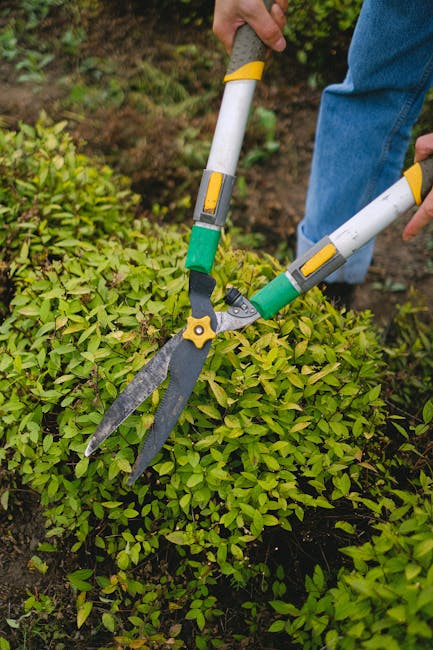
For larger or taller hedges, the method matters as much as the timing. Light shaping, reduction cuts, and full renovation pruning are not the same job. A hedge can tolerate a careful reshape better than a brutal chop. If the hedge is high, thick, or awkwardly positioned near a park-facing boundary, you may need specialist help from a dedicated hedge trimming service to keep the work controlled and safe.
What gardeners usually need to watch for
- Overhanging branches blocking paths, driveways, or sightlines
- Hedges crossing a boundary line and encroaching on shared space
- Bird activity or signs of nesting before cutting
- Uneven shaping that makes the hedge harder to maintain later
- Cutting at a time when the hedge is under heat stress or drought stress
The "rules" are therefore partly formal and partly practical. That is the honest version. A tidy, non-disruptive hedge near a public park is usually welcomed. A loud, rushed, badly timed one, not so much.
Key Benefits and Practical Advantages
Done properly, hedge trimming around Broomfield Park brings more than visual neatness. The benefits show up in everyday use, sometimes in small ways you only notice after the work is done.
- Cleaner boundaries: the garden reads as cared for, not left to drift.
- Better access: paths, gates, and side returns are easier to use.
- Improved light: a careful trim can stop hedges from making rooms feel gloomy.
- Healthier growth: regular maintenance is usually easier on the plant than drastic cutting after long neglect.
- Safer movement: fewer awkward branches near bins, steps, or walkways.
- Lower conflict risk: a well-managed hedge is less likely to trigger complaints from neighbours or park users.
There is also a subtle benefit that people underestimate: rhythm. When hedges are trimmed on a sensible schedule, the garden feels easier to live with. You are not constantly reacting to chaos. You are staying ahead of it. That changes the tone of the whole space.
For many homeowners, this is part of a wider property-care approach. Services like services overview planning or periodic pricing and quotes reviews help you compare one-off tidy-ups against ongoing maintenance. It is not glamorous, granted, but it saves headaches.
Who This Is For and When It Makes Sense
This topic matters most if you are any of the following:
- A homeowner with a hedge bordering or overlooking Broomfield Park
- A landlord keeping a rental property presentable and manageable
- A tenant who has gardening responsibility as part of the property agreement
- A gardener or grounds person servicing homes in Palmers Green
- A neighbour trying to resolve a boundary hedge that has become too broad or too tall
It also makes sense if you are deciding whether to trim now or wait. That decision comes up more often than people think. Should you shape the hedge because it looks messy? Should you wait because the birds are active? Should you cut lightly and come back later? The right answer depends on what the hedge is doing, not just on the calendar.
If the hedge is still healthy but getting bulky, a regular maintenance cut is often enough. If it has been left alone for too long, you may need a more considered approach that includes checking the hedge base, density, and recovery potential. In those cases, it can be wise to combine the job with general garden care from garden maintenance specialists rather than treating it as a quick standalone task.
And if the hedge is actually hiding structural issues, dead wood, or dangerous lean, trimming alone may not be the right answer at all. Sometimes the better move is a more careful assessment, especially where the hedge sits close to fencing, paths, or a tree line.
Step-by-Step Guidance
If you want a hedge trim that feels thoughtful rather than rushed, use a simple process. Nothing fancy. Just methodical.
- Inspect the hedge from both sides. Check the park-facing side, the garden side, and the top line. Look for birds, nests, broken stems, and dead patches.
- Decide the goal before cutting. Are you reducing width, lowering height, smoothing the outline, or clearing a boundary?
- Mark the shape mentally. It helps to picture the finished profile before the first cut. A slightly tapered shape is often easier to keep tidy because the base gets more light.
- Start lightly. Take less than you think you need. You can always remove more. You cannot put it back on, which is one of gardening's least forgiving little truths.
- Step back often. Check the hedge from the pavement, the window, and the garden path. Small asymmetries show up quickly from a distance.
- Clear debris as you go. Lettings clippings sit on paving can become slippery and messy fast.
- Finish with a health check. Look for snapped branches, exposed gaps, or any sign the hedge has been cut harder than intended.
If you are working near decking, paving, or seating areas, it can be sensible to schedule the hedge trim together with decking services or a garden tidy-up so the whole space looks coherent afterwards. A hedge cut in isolation can make the rest of the garden look accidentally neglected. Odd, but true.
A simple decision rule
If the hedge is healthy and only slightly overgrown, trim lightly. If it is blocking access, damaging the shape, or causing complaints, trim more firmly but still thoughtfully. If it looks stressed, hollow, or full of nesting activity, pause and reassess before cutting.
Expert Tips for Better Results
Here are the tips that tend to make a real difference in the field, not just on paper.
- Trim on a dry day if possible. Wet foliage clumps, tools slip more, and the finish is harder to judge.
- Use the hedge's natural line as a guide. Forcing a square shape on a naturally softer hedge can create bare corners.
- Do not chase perfection at the expense of plant health. A slightly uneven hedge that recovers well is better than a stressed hedge cut back too hard.
- Work from top to bottom. This helps the shape settle and keeps clippings from falling into freshly cut areas.
- Think about the next trim now. A shape that is easy to maintain next month is worth more than a dramatic finish that collapses in six weeks.
One practical detail many gardeners forget: the view from outside matters more than the view from inside. You may stand in the garden and think the hedge looks fine, then turn around from the street and realise it is leaning like it had a long lunch. Check both sides.
For bigger jobs, or where a hedge is tangled with trees and climbing growth, a coordinated approach with tree lopping and removal may be needed to restore structure safely. That is not a hedge-trim task in disguise; it is a different sort of job and should be treated as such.
Common Mistakes to Avoid
Most hedge problems do not start with one dramatic mistake. They start with a few small ones, repeated. That is the annoying bit.
- Cutting without checking for nesting birds. Even a quick trim can disturb active wildlife.
- Taking too much off at once. Severe cutting can leave the hedge thin, uneven, or slow to recover.
- Ignoring the bottom edge. A hedge that is trimmed only at the top looks worse, not better, after a while.
- Using blunt tools. Ragged cuts make the hedge look shredded and can slow recovery.
- Forgetting the boundary line. Overcutting on one side can cause awkward neighbour conversations later.
- Leaving clippings everywhere. It makes a tidy job look unfinished and can clog drains or mats.
A particularly common mistake in Palmers Green is trying to do "just a quick tidy" on a hedge that is actually overdue for proper maintenance. Quick jobs have a habit of becoming longer jobs. Or two jobs. Or three. You know how it goes.
If the hedge has become difficult to manage because the garden itself is cluttered, a combined visit that includes garden clearance can make the work much more manageable. Sometimes removing the obstacles first is the smartest bit of hedge care you will do all year.
Tools, Resources and Recommendations
You do not need a van full of specialist kit for every hedge job, but you do need the right basic tools and a sensible plan.
| Tool or resource | Best use | Practical note |
|---|---|---|
| Hand shears | Small, accurate shaping | Good for detail work and final touches |
| Hedge trimmer | Regular trims on medium hedges | Faster, but easier to overcut if you rush |
| Sturdy gloves | Grip and protection | Useful for thorny or woody hedges |
| Eye protection | Safety from flying cuttings | Worth it even for quick jobs |
| Ladder or platform | Higher hedges | Use only if stable and appropriate |
| Waste sacks or barrow | Clipping collection | Keep the site tidy as you go |
For readers who prefer professional support, the most useful resources are often the service pages that explain scope clearly. About us helps you understand the approach and standards behind the work, while insurance and safety is reassuring when the hedge is tall, near a wall, or awkwardly positioned. That matters more than people admit at first glance.
There is also a practical value in choosing a team that thinks about waste handling and tidy disposal. If you care about the mess after the cut, you will probably appreciate a service with a clear recycling and sustainability approach. Clippings are clippings, yes, but how they are handled still matters.
Law, Compliance, Standards, or Best Practice
This is the part people often want in black and white. The honest answer is that hedge trimming near a park boundary is usually shaped by a mix of property boundaries, nuisance prevention, common safety expectations, and wildlife awareness rather than one simple public-facing rulebook. If the hedge touches a boundary, overhangs a path, or risks affecting access, then good practice matters even more.
In UK gardening practice, the safest assumption is to check for nesting activity before cutting, avoid unnecessary disturbance, and keep work proportionate to the hedge's condition. If the hedge is very tall, unstable, or close to overhead hazards, treat it as a higher-risk job and use appropriate methods or professional help. That is not being overcautious. It is just sensible.
For customers hiring help, the trust side matters too. You should expect clear communication, reasonable scheduling, and transparent terms. A professional gardening provider should have straightforward terms and conditions, a visible health and safety policy, and a fair route for handling concerns through a complaints procedure if needed.
If payment is part of the arrangement, you may also want to know how a company handles it. A simple payment and security page can tell you a lot about professionalism. Not exciting, perhaps. Still useful.
One final note: if a hedge is encroaching beyond what can be safely managed from the ground, do not turn it into a heroic weekend project. Quite a lot can go wrong with ladders, long reach tools, and tired arms. There is no medal for doing it the hard way.
Options, Methods, or Comparison Table
Different hedge situations call for different approaches. Here is a practical comparison that may help you decide what fits best.
| Method | Best for | Pros | Trade-offs |
|---|---|---|---|
| Light seasonal trim | Healthy hedges with minor growth | Fast, tidy, low stress on the hedge | Not enough for badly overgrown hedges |
| Shaping trim | Hedges needing visual definition | Improves appearance and structure | Needs a careful eye to keep the line even |
| Reduction cut | Hedges that have become too wide or tall | Restores usable size and access | Can look stark at first |
| Full garden refresh | Overgrown frontages and mixed borders | Addresses hedge, access, and surrounding clutter together | Takes longer and usually costs more |
If the hedge is only part of the issue, a broader approach often wins. Pairing the work with landscape gardening can help reshape the whole setting rather than leaving the hedge looking immaculate while everything else still feels half-finished. It is a small point, but a good one.
Case Study or Real-World Example
A typical Palmers Green scenario goes like this. A homeowner near Broomfield Park notices that a hedge along the front boundary has started to spill toward the pavement. It is still healthy, but the top has gone soft and the side growth has made the path feel narrower. The owner wants it neat again without stripping it bare.
The sensible approach is not an aggressive cut. First, the hedge is checked for bird activity. Then the shape is assessed from the street, because that is where the issue is most visible. Next, a modest reduction is made on the outer growth only, with a little more attention to the top line to bring it back into proportion. The clippings are cleared straight away, and the side gate is checked to make sure it opens freely.
After the trim, the garden feels more open immediately. The path is easier to use. The hedge still looks natural, not scalped. The owner then plans a lighter follow-up maintenance trim later in the season rather than letting it run wild again. That is the main lesson, really: small, regular corrections are far better than dramatic rescues.
And yes, there was a moment when a branch sprang back and nearly tickled the gardener in the face. Gardening always keeps one tiny surprise in reserve.
Practical Checklist
Before you trim a hedge near Broomfield Park, run through this checklist.
- Check the hedge from inside and outside the property.
- Look for nesting birds or active wildlife.
- Confirm where the boundary sits.
- Decide whether you are shaping, reducing, or just tidying.
- Inspect tools for sharpness and safety.
- Choose a dry, calm day if possible.
- Keep children, pets, and visitors away from the work area.
- Clear clippings as you go.
- Step back and check the shape before finishing.
- Plan the next maintenance visit, not just the current one.
If the job feels bigger than expected, that is usually a sign to slow down rather than push through. The garden will still be there tomorrow. No need to wrestle it into submission before lunch.
Conclusion
Broomfield Park hedge trimming rules for Palmers Green gardeners are best understood as a mix of care, timing, boundary awareness, and good judgment. The ideal result is a hedge that looks neat from the street, stays healthy through the season, and does not create avoidable friction with neighbours, park users, or wildlife.
If you remember only one thing, make it this: trim with purpose, not panic. A measured cut almost always beats a dramatic one. Keep the hedge manageable, keep the work safe, and keep the bigger garden picture in mind. That is how the job stays easy.
For homeowners who want dependable help with regular upkeep, the next sensible step is to compare services, check safety and payment details, and choose a team that can handle the hedge as part of the wider garden. And if you are still weighing up what your hedge needs, there is no harm in getting clear advice first.
Get a free quote today and see how much you can save.
Frequently Asked Questions
Can I trim a hedge near Broomfield Park whenever I want?
Not quite. In practice, timing matters because of wildlife, weather, and how close the hedge is to public or shared space. If birds are nesting or the hedge is under stress, it is smarter to wait or trim lightly.
What should I do before cutting a hedge that borders the park?
Check both sides of the hedge, look for nesting birds, confirm the boundary line, and decide whether the job is just a tidy-up or a more serious reduction. That quick check prevents a lot of avoidable mess.
Is hedge trimming different from hedge reduction?
Yes. Trimming is usually about keeping shape and controlling growth. Reduction is a larger cut to bring the hedge back to a smaller size. Mixing them up can leave the hedge looking uneven or stressed.
How often should a hedge near Broomfield Park be trimmed?
It depends on growth rate, species, and location. Fast-growing hedges may need more frequent attention, while slower hedges can be maintained less often. The key is to stay ahead of overgrowth rather than waiting for a rescue job.
What if the hedge is too tall to manage safely?
Then it is better to use proper equipment or a professional service rather than improvising. Tall hedges near walls, paths, or trees can become risky very quickly if handled badly.
Do I need to worry about birds nesting in the hedge?
Yes, you should always check. If the hedge is active with nesting birds, avoid trimming that area until it is safe and appropriate to do so. That is part of sensible garden practice, not just a legal-style concern.
Can hedge trimming improve the look of the whole garden?
Absolutely. A well-cut hedge can make a small garden feel brighter, neater, and more intentional. People often notice the change more than expected, especially from the pavement.
What is the biggest mistake people make with hedge trimming?
Cutting too much too soon. A hedge that has been left alone for a while tempts people into a dramatic fix, but heavy cuts can leave it thin and awkward. Gentle, planned work usually wins.
Should hedge trimming be part of regular garden maintenance?
Yes, in most cases. It is much easier to keep a hedge in shape through routine maintenance than to deal with a major overgrowth problem later on. That goes for lawns and borders too, really.
What other services might help alongside hedge trimming?
If the hedge is part of a broader refresh, services like garden maintenance, garden clearance, lawn mowing, or landscaping can help the whole space feel consistent rather than half-finished.
How do I know if I should hire a professional?
If the hedge is tall, overgrown, awkwardly placed, or close to a public boundary, professional help is often the safer and tidier option. It can also save you time, and a bit of stress.
Where can I learn more about the company's approach and policies?
You can look at the company's about us, health and safety policy, insurance and safety information, terms and conditions, and payment and security details to get a fuller picture before booking. That is usually time well spent.