Best gardeners in Palmers Green for small front gardens
If you have a compact front garden in Palmers Green, you already know it can be a little trickier than it looks. There may be a narrow path, a small patch of lawn, a hedge that grows faster than expected, and not much room to manoeuvre. The right gardener makes all the difference. Not just someone who can "do the garden", but someone who understands tight spaces, kerb appeal, neat finishing, and the rhythm of regular upkeep.
This guide explains what to look for in the best gardeners in Palmers Green for small front gardens, how the service usually works, what good results should look like, and how to judge value without getting pulled in by vague promises. If you're comparing options, trying to avoid mistakes, or simply want your front garden to look tidy without becoming another weekend job, you're in the right place.
And yes, small gardens can make a big impression. Sometimes all it takes is a clean edge, a tidy border, and a lawn that doesn't look slightly apologetic by Tuesday.
Table of Contents
- Why Best gardeners in Palmers Green for small front gardens Matters
- How Best gardeners in Palmers Green for small front gardens Works
- Key Benefits and Practical Advantages
- Who This Is For and When It Makes Sense
- Step-by-Step Guidance
- Expert Tips for Better Results
- Common Mistakes to Avoid
- Tools, Resources and Recommendations
- Law, Compliance, Standards, or Best Practice
- Options, Methods, or Comparison Table
- Case Study or Real-World Example
- Practical Checklist
- Conclusion
- Frequently Asked Questions
Why Best gardeners in Palmers Green for small front gardens Matters
Small front gardens are often the first thing people notice about a home. In a place like Palmers Green, where many properties have modest frontage, a tidy outdoor space can lift the whole look of the house without needing a full redesign. That matters more than people sometimes think. A crisp front garden can make a narrow terrace feel cared for, make a semi-detached home feel more welcoming, and simply reduce the visual noise that builds up when plants, weeds, and edges are left to drift.
The challenge is that small spaces punish sloppy work. Leave a few weeds in place and they stand out. Cut a hedge too harshly and the shape looks awkward for months. Miss the lawn edges and the whole thing starts to look a bit tired. The best gardeners in Palmers Green for small front gardens understand that compact spaces need precision, not just speed.
There's also a practical side. Smaller gardens often sit close to paths, walls, gates, bins, paving, or parking areas, so maintenance has to be neat and controlled. A gardener who is used to larger back gardens may be perfectly capable, but not always the right fit. For front gardens, details matter. Clean lines, proportion, safety around access routes, and a finish that suits the property all matter. Quite a lot, actually.
If you're planning a regular garden maintenance routine, it can help to look at the wider range of local services first. A good starting point is the services overview, which shows how different garden care tasks fit together. That makes it easier to decide whether you need mowing only, a broader tidy-up, or a recurring maintenance plan.
How Best gardeners in Palmers Green for small front gardens Works
For small front gardens, the service usually begins with a quick assessment. A gardener looks at the size of the space, the condition of the lawn or paving, the amount of weeding needed, any hedges or shrubs, access points, and whether the garden is likely to need one-off attention or repeat visits. This stage sounds basic, but it's where good work starts.
From there, the gardener will usually prioritise the visible elements first. In a front garden, that typically means mowing or trimming the lawn, edging neatly, removing weeds, tidying borders, and shaping plants so they don't spill into the path or obscure the entrance. If the garden is mainly decorative, the emphasis may be on pruning, clearance, and presentation rather than lawn care. To be fair, many small front gardens are a mixture of both.
Good local gardeners also think about timing. If a hedge has grown a little wild after wet weather, it may need shaping rather than a hard cut. If the garden gets little sun and stays damp, they may need to adjust mowing height or avoid overworking the soil. That kind of judgment separates the decent from the genuinely useful.
Where appropriate, they'll also suggest a maintenance rhythm. For some homes, a fortnightly visit is enough. For others, especially where the frontage is visible from the street and traffic dust builds up, a more regular light touch works better than occasional heavy work. It's less dramatic, but the results usually look smarter.
If you want confidence around how a service is delivered, it's worth checking practical details before booking. The team's approach to health and safety and their broader insurance and safety information can tell you a lot about how carefully they operate.
Key Benefits and Practical Advantages
Choosing the right gardener for a small front garden is not only about making it look better, although that's obviously part of it. There are several practical gains, and they add up quickly.
- Better kerb appeal: A tidy front garden makes the whole property look looked after.
- Less ongoing effort: Regular maintenance prevents small jobs becoming a half-day rescue mission.
- Safer access: Overgrown paths, trip hazards, and blocked entrances are easier to avoid.
- Better plant health: Pruning and trimming at the right time helps shrubs and hedges stay healthy.
- More usable space: Even a tiny frontage feels larger when it is uncluttered and well-shaped.
- Cleaner first impression: Visitors, neighbours, and potential buyers notice a neat entrance straight away.
There is also a less obvious benefit: consistency. A front garden that gets light, regular care usually looks calmer. Not "overdone", just settled. That can be especially valuable if your home is close to the street, because dust, leaf fall, and weather all show up quickly on small plots. A little regular attention beats a dramatic clear-up every few months. Every time.
For many homeowners, the real advantage is peace of mind. You don't have to remember when to cut back the lavender or chase weeds before they seed. You know someone has it in hand, and that makes life easier.
If you are also thinking about payment methods or booking confidence, the site's payment and security page is a sensible place to review the basics before placing an order.
Who This Is For and When It Makes Sense
This kind of garden service is a strong fit for people who want their front space to look tidy without having to micromanage it. That includes busy families, older homeowners, landlords, people with mobility limitations, and anyone who simply doesn't want garden chores creeping into every spare Saturday. Let's face it, most people have enough on already.
It also makes sense if your front garden is small but visible. Homes near a road, footpath, or corner plot tend to show untidiness more quickly. A few weeds are far more noticeable in a small front garden than they are in a larger back garden tucked away behind the house. So if the space feels oddly "unfinished" no matter how much you tidy it, regular gardening support may be the missing piece.
Another common situation is seasonal catch-up. Maybe the hedge got away from you after a wet spell. Maybe autumn leaves have built up around the path. Maybe the lawn has become patchy, and the borders need a reset before spring. A good gardener can handle these transitional moments and then help you keep on top of things afterwards.
Small front gardens also suit gardeners who understand proportion. In a tiny space, aggressive planting or oversized features can overwhelm the area. You need someone who can judge scale properly and keep the layout clean. Not flashy. Just right.
Step-by-Step Guidance
If you are choosing gardeners for a small front garden in Palmers Green, this simple process will help you avoid guesswork and make a more informed decision.
- Identify the main job. Is it mowing, weeding, hedge trimming, seasonal tidy-up, or full maintenance?
- Measure the real challenge. Small gardens can still be complex if access is awkward or planting is dense.
- Check service fit. A gardener who handles compact spaces well will usually talk about edging, access, and finish, not just "general garden work".
- Ask how they work. Do they use manual tools where needed? Can they manage delicate borders? How do they dispose of waste?
- Request a quote that matches the space. Clear quotes are easier to compare than vague hourly estimates.
- Confirm frequency. Decide whether you want one-off help or regular maintenance, then set expectations early.
- Review the first visit. Look at edges, tidy-up level, access, and whether the front of the house now feels balanced.
A useful rule of thumb: if the quote and the conversation both feel oddly vague, pause. Good gardeners are usually happy to explain what they'll do and why. You do not need jargon; you need clarity.
For pricing structure and what a quote may include, the pricing and quotes page is worth a look. It helps set expectations before you book, which saves a lot of back-and-forth later on.
Expert Tips for Better Results
Small front gardens reward tidy habits. In our experience, the best results usually come from simple decisions made consistently, not dramatic interventions. Here are a few practical tips that make a real difference.
- Keep edges crisp: Even if the lawn is tiny, a sharp edge between grass and border changes the whole look.
- Choose proportionate planting: Compact shrubs and restrained climbers usually work better than oversized feature plants.
- Use regular light maintenance: A quick visit can be far more effective than a heavy-handed monthly sort-out.
- Watch sightlines: Keep windows, gates, and the front path open and welcoming.
- Think about year-round structure: In winter, the garden still needs shape, not just greenery.
- Allow for drainage and damp: Front gardens near pavements can get compacted or muddy more easily.
A small moment of judgment can save a lot of trouble. For example, if a shrub is blocking the doorbell, don't simply trim the outer leaves and call it done. Rebalance the shape so it works with the entrance. Same with a tiny lawn: if it is more moss than grass, the real answer may be selective repair and better maintenance, not forcing it into something it isn't.
One more thing. Ask about waste handling. Some gardeners bag and remove clippings, others compost or recycle them where possible. If sustainability matters to you, see the company's recycling and sustainability approach for a sense of how green waste is handled responsibly.
Common Mistakes to Avoid
Small front gardens are easy to get wrong in ways that are subtle at first, then suddenly obvious from the pavement. The good news is that most mistakes are avoidable.
- Choosing the cheapest quote without checking what is included. Low prices can hide minimal attention or incomplete work.
- Assuming all gardeners are the same. Some are brilliant with large back gardens but less suited to compact frontage work.
- Over-pruning shrubs. A hard cut can leave a front garden looking bare and unbalanced.
- Ignoring access issues. Narrow paths, steps, gates, and parked cars all affect how the job is done.
- Letting weeds seed. A tiny garden can go from neat to scruffy very quickly.
- Forgetting about waste removal. Clippings and cuttings left behind can make the area feel untidy even after the work is finished.
There's also a mindset mistake: treating the front garden as an afterthought. Truth be told, this is often the space that most affects how a home feels from the outside. It doesn't need to be elaborate, but it does deserve consistency.
Tools, Resources and Recommendations
For compact front gardens, the best tools are often the ones that allow control rather than brute force. You do not need a van full of gadgets. You need the right approach.
- Hand shears and secateurs: Useful for shaping small shrubs, edging lightly, and getting into tight spaces.
- Compact mower or trimmer: Helpful where a standard mower is too clumsy for the layout.
- Weeding tools: Better than heavy chemical approaches for narrow borders and paved areas.
- Leaf collection tools: Especially useful in autumn when small spaces collect debris quickly.
- Mulch or top dressing: Can improve appearance and help soil retain moisture, depending on the planting style.
Resource-wise, good communication matters as much as equipment. A clear quote, a simple service outline, and visible trust information all help you make a better choice. If you're still comparing options, the main Palmers Green lawn and garden homepage is a sensible place to orient yourself before diving into specifics.
You may also want to check the company's accessibility statement if ease of communication or access arrangements matter to you. It's a small detail, but for some households it makes the booking experience noticeably smoother.
Law, Compliance, Standards, or Best Practice
Garden maintenance is not usually a heavily regulated service in the way some trades are, but there are still important standards and best practices to keep in mind. A good gardener should work safely, handle tools responsibly, and respect your property, neighbours, and access routes. If they are using powered equipment, they should also manage risk sensibly and keep the work area controlled.
For customers, the main point is straightforward: you want a service that looks professional, behaves safely, and handles waste, access, and payment properly. That includes clear communication about scope, fair pricing, and what happens if weather delays the job. In London, where access can be tight and neighbours are often close by, tidiness and consideration are not small things. They are the whole thing, really.
It is also sensible to review the provider's support and accountability pages before booking. If something does go wrong, it helps to know how issues are handled. The complaints procedure gives a useful indicator of how seriously a business takes customer concerns. That's the kind of detail people often skip, then wish they hadn't.
For wider trust and ethical practices, you can also review the modern slavery statement. It may not be the first page you think to read for a front garden job, but it does show a company taking responsibility across its operations.
Options, Methods, or Comparison Table
There are a few sensible ways to maintain a small front garden. The right choice depends on how much time you have, how tidy you want the space to look, and whether the job needs occasional or ongoing care.
| Option | Best for | Pros | Trade-offs |
|---|---|---|---|
| One-off tidy-up | Overgrown or neglected front gardens | Fast reset, good before sale or guests | Needs follow-up to stay neat |
| Regular maintenance | Busy homeowners, rental properties, visible frontages | Consistent appearance, lower effort for you | Ongoing cost |
| Seasonal visits | Low-maintenance gardens with occasional bursts of growth | Good balance of cost and upkeep | May not suit very visible or high-traffic homes |
| DIY with occasional help | Hands-on homeowners who can manage basic tasks | Flexible and budget-friendly | Easy to fall behind, especially in wet or busy periods |
For small front gardens, regular maintenance often delivers the best overall result because the work stays manageable. That said, if you only need a clean-up a few times a year, seasonal visits can make sense too. The "best" option is usually the one you can sustain without stress.
Case Study or Real-World Example
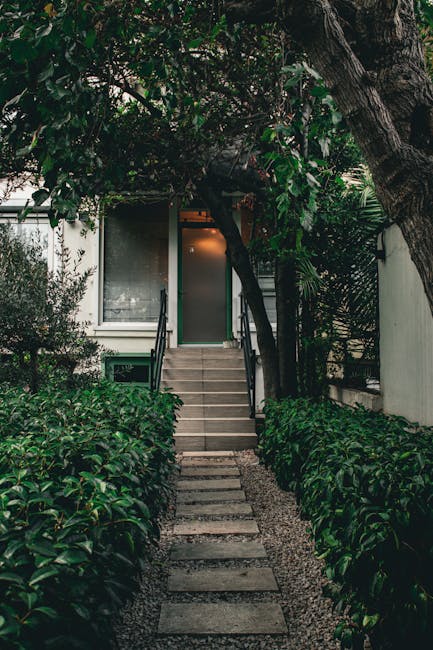
Picture a typical Palmers Green frontage: a narrow path, a small lawn, one shrub bed by the window, and a hedge that has started leaning a little into the pavement. Nothing dramatic. Just enough to make the entrance feel messy on arrival, especially on a dull Wednesday morning when the bins are out and the light isn't doing the house any favours.
In that situation, a good gardener would usually start with the edges and access. The path is cleared first so the entrance feels open. Then the lawn is cut or trimmed, depending on size and condition. The hedge is shaped lightly rather than hacked back. Weeds are removed from the border and around paving joints, and the cuttings are collected so the front doesn't look like a job has just happened there. That last bit matters more than people think.
The difference after the visit is not just "cleaner". It feels calmer. The house sits better on the street. The doorway is more visible. Even the porch light looks more intentional. And because the work is done with small-space proportions in mind, it doesn't look stripped or harsh.
Expert summary: The best gardeners for small front gardens are the ones who work with proportion, neat lines, and regular upkeep rather than forcing large-garden habits into a compact space.
Practical Checklist
Use this before you book a gardener for a small front garden in Palmers Green:
- Have you clearly identified the main problem: weeds, lawn, hedge, borders, or a general tidy-up?
- Do you know whether you need a one-off visit or regular maintenance?
- Have you checked that the gardener has experience with compact, visible front gardens?
- Have you asked what is included in the quote?
- Is waste removal included or explained separately?
- Have you reviewed safety, insurance, and payment information?
- Do you understand how the gardener handles access, gates, parking, and neighbour boundaries?
- Have you thought about seasonal needs, such as leaf clearance or spring growth?
- Does the service seem clear, calm, and practical rather than vague?
- Are you confident the result will suit the scale of the garden, not overwhelm it?
If you can tick most of those off, you're in a strong position. If not, a little more conversation before booking will save time later.
Get a free quote today and see how much you can save.
Conclusion
Finding the best gardeners in Palmers Green for small front gardens comes down to a mix of skill, reliability, and good judgment. You want someone who sees the detail in a compact space, understands how to keep it neat without overworking it, and treats the front of your home as a proper part of the property, not a quick afterthought.
The right gardener will make the space feel easier to live with. Cleaner lines. Better access. Less hassle. And a front garden that looks cared for, even on the days when the weather is doing its usual London thing.
So if your front garden has started to feel a bit neglected, or just needs the kind of tidy finish that makes a house feel more complete, take the next step with confidence. Small spaces can look beautifully sorted when they're handled well. Honestly, that's the charm of them.
Frequently Asked Questions
What makes a gardener suitable for a small front garden?
A good fit is someone who pays attention to detail, works neatly in tight spaces, and understands proportion. Small front gardens need clean edges, careful trimming, and a finish that looks balanced rather than overworked.
How often should a small front garden be maintained?
It depends on the planting and how visible the space is, but many front gardens benefit from regular light maintenance rather than occasional heavy work. Weekly, fortnightly, or seasonal visits may all make sense depending on growth and use.
Do small front gardens need different care from back gardens?
Often, yes. Front gardens are usually more visible, have tighter access, and need a neater presentation. The gardener may spend more time on edging, shaping, and clearing visible debris than they would in a larger private space.
Can a gardener help if my front garden is mostly paving and a few plants?
Absolutely. In that case, the work may focus more on weeding, sweeping, pruning, and keeping the planting areas tidy. Small paved spaces can look messy quickly if weeds or leaf litter build up.
Should I choose a one-off tidy-up or a regular maintenance plan?
If the garden has become overgrown, a one-off tidy-up can reset it. If you want it to stay smart without much effort on your part, regular maintenance is usually the better option. Many homeowners use both: a bigger initial job, then lighter ongoing care.
What should be included in a quote for a small front garden?
The quote should ideally explain the tasks included, any waste removal, how access will be handled, and whether it is a one-off or recurring visit. Clear quotes are easier to compare and reduce misunderstandings later.
How do I know if the price is fair?
Look at what is included, not just the headline number. A slightly higher quote may be better value if it includes proper edging, waste removal, and a careful finish. The cheapest option is not always the best choice, to be fair.
Can gardeners work around parked cars or narrow paths?
Usually, yes, but it should be discussed in advance. Access affects how the job is done, how long it takes, and whether some tools are practical. Good local gardeners will ask about this before starting.
Are there safety or insurance checks I should ask about?
Yes. It is sensible to ask how the gardener handles safety, what precautions are taken with tools and access, and whether they have appropriate insurance. The business's published insurance and safety information is a useful place to start.
What if I'm unhappy with the work?
First, raise the issue promptly and clearly. A professional company should have a straightforward process for handling concerns. It helps if the business publishes a clear complaints procedure so you know what to expect.
Do small front gardens need sustainable waste handling?
They can. Even a small amount of cuttings and green waste adds up over time. If environmental handling matters to you, check whether clippings are reused, composted, or taken away responsibly. The company's recycling and sustainability page may answer that.
Where should I start if I'm comparing local gardening services?
Start with the service range, then look at pricing, safety, payment options, and how clearly the company explains its work. That gives you a much better sense of fit than just scanning for the lowest price. The services overview and pricing and quotes pages are sensible places to begin.
Is it worth hiring a gardener for such a small space?
Often, yes. Small front gardens can be deceptively fiddly, and a professional can usually finish the work faster and neater than a rushed DIY attempt. If the frontage affects your home's appearance every day, the value is easy to see.